Ukrainian President Volodymyr Zelenskyy said on October 18 that Russia had carried out 76 attacks against Ukraine’s energy, oil and gas infrastructure during the preceding week, renewing questions about a proposed halt to strikes on energy facilities.
Reuters reported his statement, which followed US President Donald Trump’s announcement a week earlier of an energy ceasefire. The figure is Zelenskyy’s account of the attacks; it is not an independently established count by NationList India.
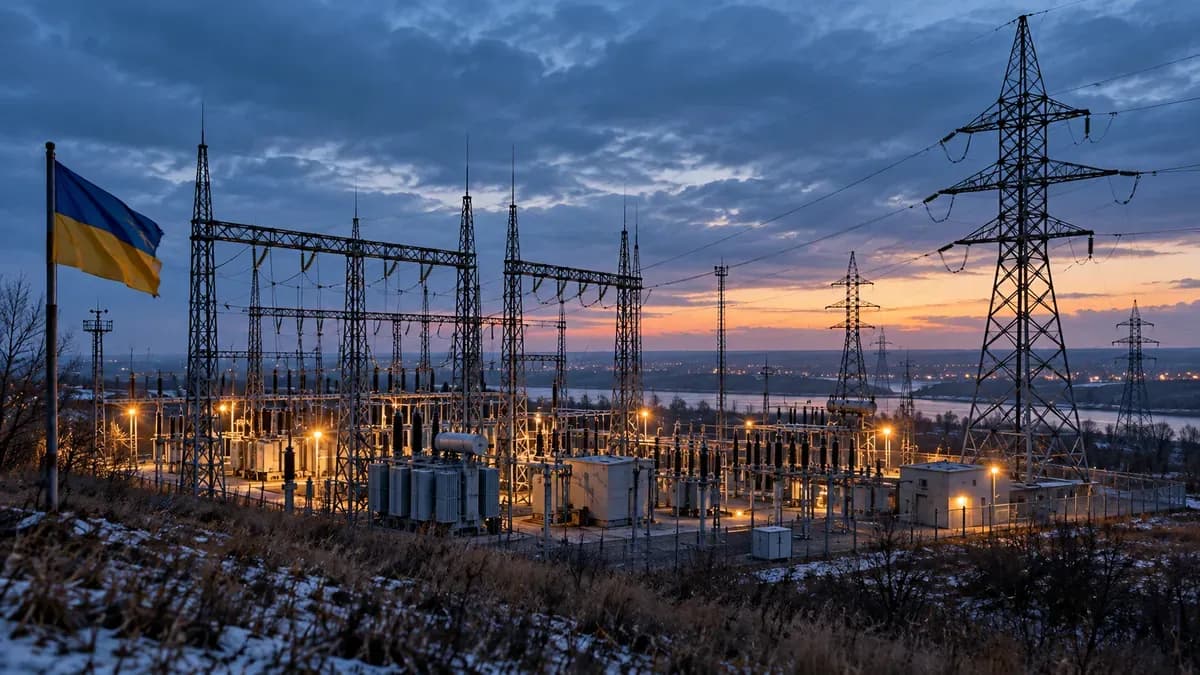
The Ukrainian leader identified substations in the Vinnytsia, Zhytomyr, Khmelnytskyi and Odesa regions among the latest targets. His statement draws attention to electricity infrastructure as Ukraine approaches the colder months.
A disputed pause in energy attacks
The status of the proposed halt requires careful distinction between an announcement and an implemented agreement. Reuters said neither Kyiv nor Moscow had confirmed the agreement announced by Trump. That leaves questions about its terms, scope and enforcement.
Earlier reporting illustrates the disagreement. On October 12, Associated Press reported that Zelenskyy said Ukraine was prepared to stop attacking Russian energy facilities, while accusing Russia of continuing strikes after the US announcement.
On October 15, AP reported a Ukrainian attack on a refinery in Russia’s Ryazan region. Russian officials said a drone strike had started a fire there. Ukraine’s leadership said Russia had not observed the proposed pause. Those reports concern separate incidents and should not be folded into Sunday’s Ukrainian attack count.
Why damage to the grid affects daily life
Energy attacks have consequences beyond the immediate site of an explosion. Electricity supports water pumps, heating equipment, communications and many ordinary household tasks. Damage to transmission and distribution equipment can interrupt supplies far from the point of impact.
In a September 21 update, the UN’s Independent International Commission of Inquiry on Ukraine warned that continued attacks on critical energy infrastructure were increasing civilian vulnerability ahead of winter. Its warning concerned deteriorating living conditions, rather than a forecast of a particular nationwide outage.
The commission’s assessment provides broader context for Sunday’s claims. It does not independently verify the number of attacks reported by Zelenskyy or determine the damage at each substation named in his statement.
Earlier findings document repeated disruption
A separate UN Human Rights Monitoring Mission report covering December 2025 through May 2026 described repeated Russian attacks on energy facilities during the winter. It said strikes on transmission and distribution infrastructure had triggered emergency outages affecting millions of civilians.
That earlier reporting shows why the condition of the electricity network matters even when a daily military update contains little information about households. Restoring supply involves the wider system, not simply repairing a single building or replacing one damaged component.
UN monitors have also previously highlighted the particular difficulties prolonged interruptions create for older people, people with disabilities and families with young children. Their assessment identifies groups facing additional hardship; it does not mean every household experiences the same disruption.
What remains to be established
The next information needed includes local damage assessments, restoration updates and clear statements about any agreement to protect energy facilities. A count of strikes alone does not show how many distinct sites were hit, whether a location was attacked repeatedly or how long electricity supplies were interrupted.
For the diplomatic effort, the central test is whether the parties accept and implement the same conditions. Public descriptions of a ceasefire are insufficient to establish that an effective pause exists on the ground.
Frequently asked questions
Key questions and answers at a glance.
Who reported the figure of 76 attacks?
Zelenskyy reported it. The figure remains attributed to the Ukrainian president.
Does the report establish a nationwide blackout?
No. The statement concerns attacks on infrastructure. The duration and extent of outages require separate local information.
Why are substations important?
They form part of the system that moves and distributes electricity. Damage can disrupt supplies beyond the immediate location.
Has a fully implemented energy ceasefire been verified?
The reporting reviewed does not establish one. Announcements, accusations and actual compliance must be assessed separately.