Introduction: Two Democracies, Difficult Questions
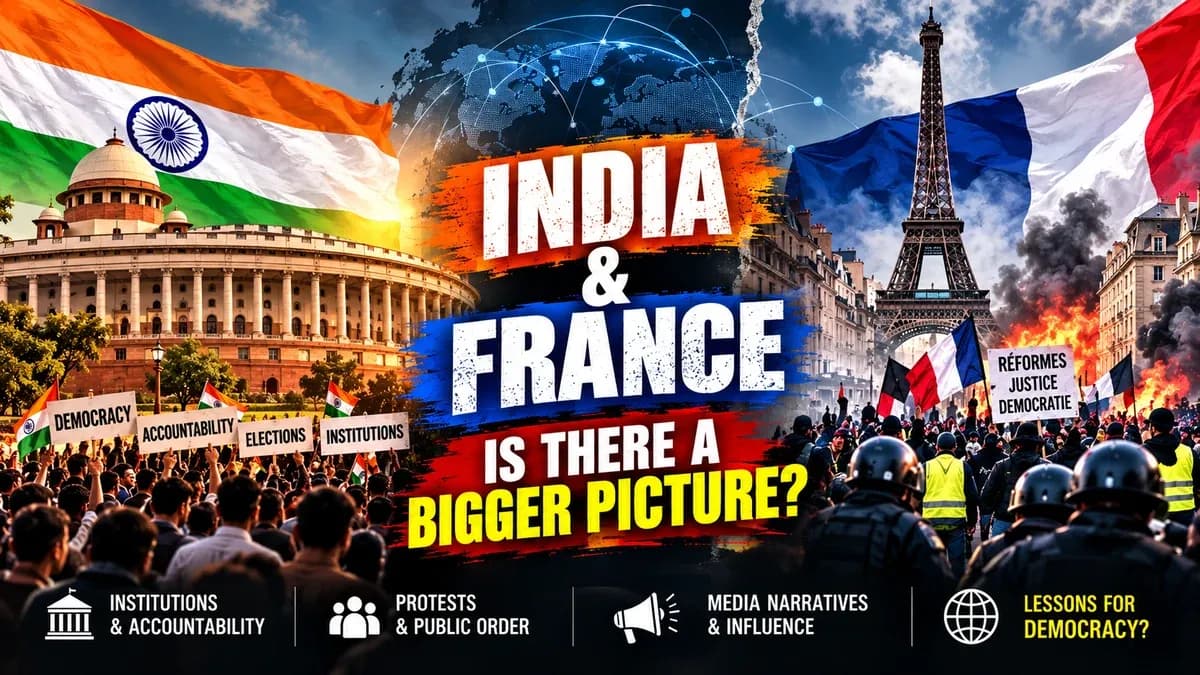
Political developments in India and France have raised questions about democratic institutions, public trust, government accountability and the influence of political narratives. The countries have different political systems and immediate circumstances, so comparisons should identify meaningful parallels without assuming the events share a common cause.
India: The Debate Over Electoral Institutions
In India, political debate around electoral processes and the Election Commission has included demands for transparency and accountability. Public confidence depends on clear procedures, credible responses to complaints and evidence-based scrutiny. Criticism of an institution is not proof of wrongdoing, just as official assurances should not replace transparent examination of specific allegations.
France: Protests and Public Order
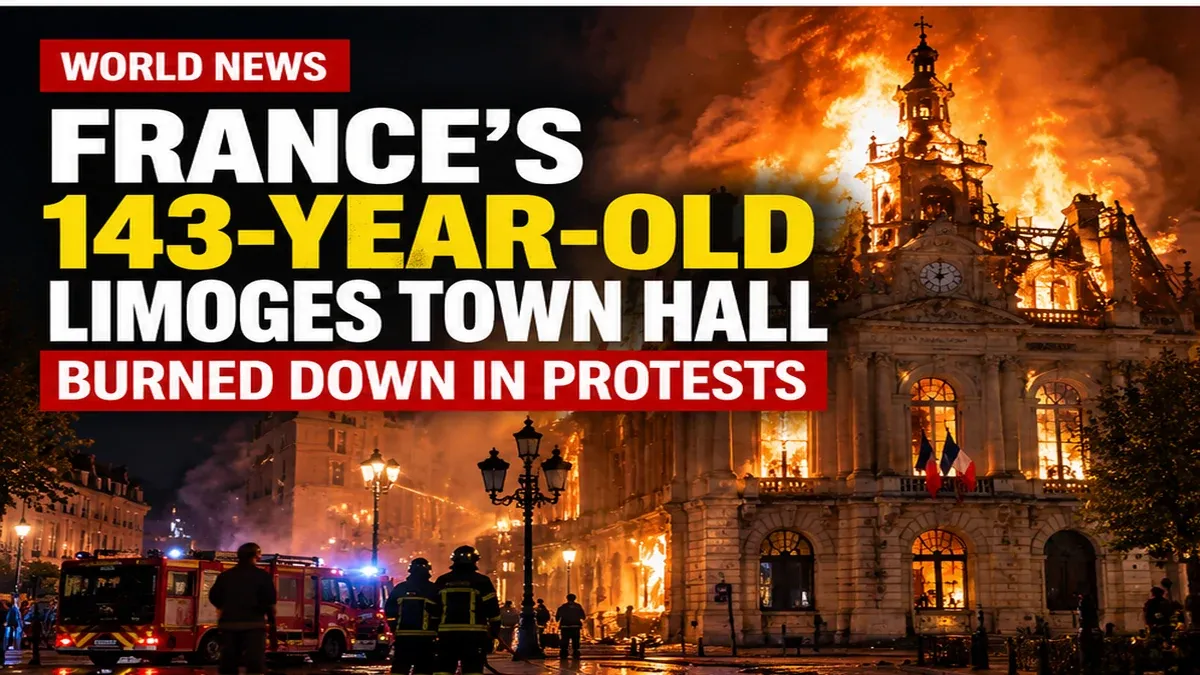
In France, protests can reflect concerns about living costs, public services, education and government policy. Peaceful assembly is a democratic right, while arson, assault and looting are separate acts that should be investigated. Reporting should distinguish peaceful demonstrators from individuals responsible for violence and avoid treating a whole community as responsible for individual actions.
What the Two Countries Have in Common
Despite their differences, both countries illustrate how institutional trust, political polarisation and media narratives can shape public debate.
Institutional trust: people need accessible ways to question decisions and seek remedies.
Political polarisation: competing groups may interpret the same event differently, making independent verification essential.
Social media: viral clips and quotations can influence opinion quickly, but a real image or widely shared statement may still lack context or be misattributed.
Accountability: governments must protect public safety and lawful dissent, while individuals remain responsible for their own conduct.
Who Shapes the Political Narrative?
Political parties, activists, journalists, commentators and online creators all contribute to public debate. Foreign funding or coordinated influence campaigns can be legitimate subjects for investigation, but allegations of hidden coordination require verifiable evidence, such as documented financial links, authenticated communications or credible investigative findings. Similar slogans or events in different countries do not, by themselves, prove a shared organisation or plan.
Readers can ask: Who first made the claim? Is a quotation authentic and in context? Have independent sources confirmed alleged links? Are alternative explanations supported by evidence?
Immigration, Integration and Public Safety
France's protests have also prompted debate about immigration, integration and national identity. These topics can be discussed openly, but the identity or immigration status of people responsible for specific incidents must be established through reliable evidence. Broad claims about immigrants as a group should not be inferred from unrest alone.
What Can India and France Learn From Each Other?
For India, transparent electoral procedures, clear explanations and credible complaint mechanisms can help address public concerns. For France, addressing social and economic grievances matters alongside proportionate law enforcement and public safety.
In both countries, leaders and media organisations should distinguish verified facts from opinion, and citizens should check viral posts before sharing them. Accountability and the right to peaceful protest are compatible with maintaining public order.
Conclusion: Ask Hard Questions, Follow the Evidence
India's debates about electoral institutions and France's protests are distinct developments, not proof of a single hidden agenda. Their comparison is useful when it examines public trust, accountability and democratic rights without jumping to conclusions.
The key questions remain: Are institutions responding transparently? Are genuine grievances being addressed? Are people responsible for violence held accountable? And are claims about political influence supported by evidence?
For NationListIndia, the principle is simple: question every narrative, scrutinise those in power and follow the evidence wherever it leads. Facts first. Question everything.