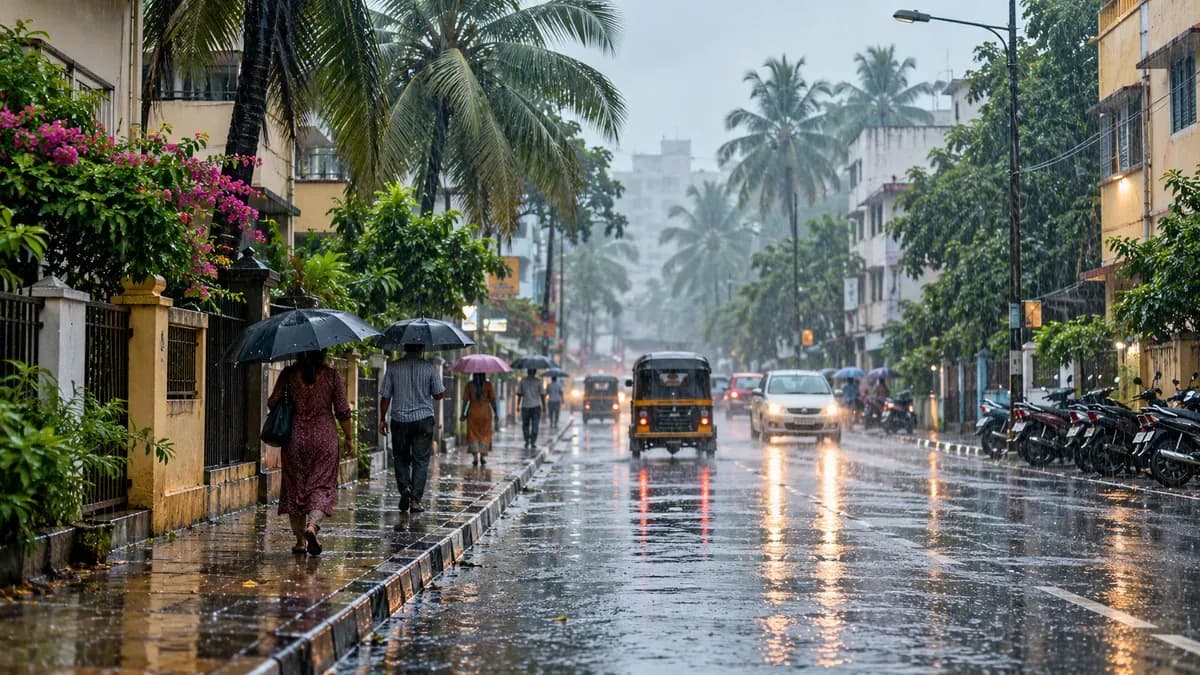
Heavy rain warnings remain in force across parts of southern India. The India Meteorological Department's October 18 bulletin lists very heavy rain for Tamil Nadu and Puducherry through October 21, followed by heavy rain through October 24, alongside thunderstorm and lightning warnings.
UNI’s report, citing the IMD’s morning bulletin, said isolated extremely heavy falls were possible in coastal Andhra Pradesh. Heavy to very heavy rain was forecast at isolated places in Rayalaseema, south interior Karnataka, and Tamil Nadu, Puducherry and Karaikal. Kerala and Mahe were also expected to receive heavy showers.
The coastal Andhra Pradesh forecast described above was for October 18. These are forecasts for specified areas and periods. They do not establish that every district will experience the same conditions or that the predicted rainfall has already occurred.
Southern states remain the main focus
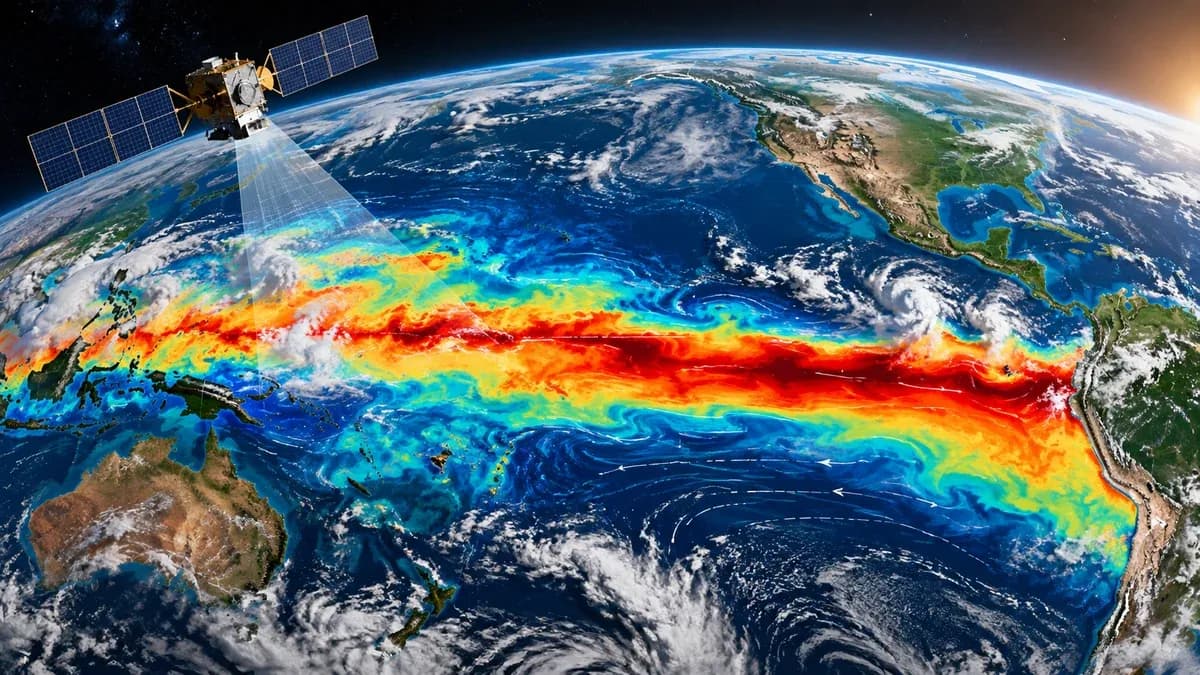
The warning follows the start of northeast monsoon rainfall activity across parts of the south. An October 16 report in The Week quoted IMD as saying that this activity had commenced on October 15 over Tamil Nadu, Puducherry and Karaikal, coastal Andhra Pradesh, Rayalaseema, south interior Karnataka, and Kerala and Mahe.
That seasonal development provides context for the current forecast. It does not mean rain will fall continuously across the entire region. Conditions can vary considerably within a state and change as subsequent bulletins are issued.
Sunday’s warning should therefore be read alongside the issue time and the relevant district forecast. A headline covering southern India is useful for identifying a broad weather pattern, but it is not detailed enough to determine conditions on an individual road or in a particular neighbourhood.
Thunderstorms require separate attention
Tamil Nadu reporting on October 18 also identified thunderstorm, lightning and strong-wind warnings. Those hazards need attention even where the heaviest rain does not materialise.
National Disaster Management Authority guidance advises people to avoid exposed locations such as hilltops, open fields and beaches during thunderstorms. It also warns against seeking shelter beneath an isolated tall tree.
A substantial building offers a more appropriate place to wait than an open outdoor area. People planning sports, construction work or other outdoor activities should check short-duration alerts before beginning and remain ready to move to shelter if conditions change.
Waterlogged roads can conceal hazards
Disaster-management guidance advises against driving through flooded areas and warns that floodwater can be contaminated. Water may also conceal damaged surfaces and sudden changes in depth.
Residents should follow local traffic diversions and instructions issued by the district administration. A broad rainfall warning does not itself close schools, suspend trains or cancel flights; those decisions require separate announcements from the relevant authority or operator.
Similarly, pictures of flooding from an earlier spell cannot establish conditions today. Travel decisions are better based on current local notices than on an undated video circulating on social media.
Check the validity period before acting
Forecasts and nowcasts serve different purposes. A wider forecast describes expected conditions over a longer period and larger area, while a short-duration local alert helps people respond to more immediate conditions.
Readers should check whether an alert is current, which places it covers and when its validity ends. A warning valid on Sunday should not automatically be treated as Monday’s forecast, even if the regional rainy spell continues.
Rainfall forecasts also differ from observations. A forecast describes what may happen; a measured rainfall total records what a station has observed over a defined period. Combining them without explaining the distinction can exaggerate the scale or timing of an event.
Frequently asked questions
Key questions and answers at a glance.
Does the warning cover every place in southern India equally?
No. The reporting identifies particular regions and isolated areas of heavier rainfall. Local conditions can differ.
Have school holidays or transport cancellations been announced here?
This report does not establish any such order. Check the district administration, school or transport operator directly.
Should people drive through a flooded stretch?
Disaster-management guidance advises against it. Water can hide hazards that are difficult to judge from a vehicle.
Where should readers check for changes?
Use current IMD district warnings and nowcasts, together with local administration and transport notices. Check the issue time before relying on an alert.